
Cleaning the complete piece
Choose a cleaning method for the whole piece, including its stones, stringing, coatings and finish. Start with a soft cloth. Use a suitable non-abrasive silver product only as instructed and keep metal polish away from pearls and gemstones. Do not use a silver bath, boiling water, abrasive paste or ultrasonic cleaner on a mixed-material piece without specific professional advice. Wipe pearls gently with a soft damp cloth; do not soak a strung pearl piece. For an unknown material, damaged setting or antique finish, ask a jeweller before further cleaning.
Understanding Sterling Silver
Sterling silver has long been cherished for its luminous sheen and timeless elegance. It is a precious metal alloy typically made of 92.5% pure silver and 7.5% other metals, usually copper. This combination gives the jewelry strength and durability while maintaining the beautiful luster of silver. However, sterling silver is also known to tarnish over time, reacting with sulfur compounds in the air and forming a thin layer of discoloration on the surface.
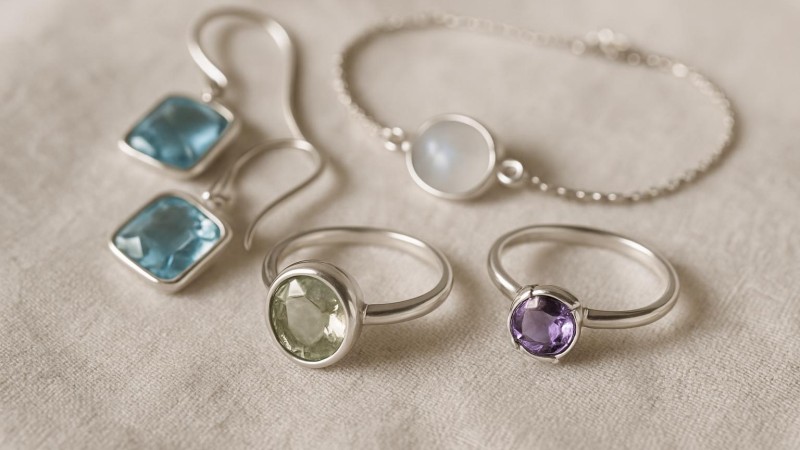
Understanding how to properly care for your sterling silver jewelry ensures that it remains radiant for years. Whether it’s a delicate chain, a pair of earrings, or intricately designed pendants set with amethyst beads, taking preventive measures and cleaning correctly are key.
Why Sterling Silver Tarnishes
Tarnish is a natural process that occurs when sterling silver reacts with elements in the environment. The main culprits include sulfur, oxygen, and moisture. Perfume, lotions, sweat, and even air pollution can accelerate tarnishing. Unlike rust, tarnish only affects the surface and can be easily cleaned off if addressed early.
Common Factors That Cause Tarnish
- Humidity: Moist air encourages chemical reactions that darken silver.
- Air pollutants: Sulfur dioxide and hydrogen sulfide react with silver to form silver sulfide, a dark compound.
- Cosmetics and chemicals: Lotions, perfumes, and hair sprays can leave residues that cause tarnish.
- Storage conditions: Improper storage exposes silver to air and moisture, speeding up oxidation.
By being aware of these factors, you can reduce exposure and extend the shine of your sterling silver jewelry.
Daily Care Tips
1. Wear with Awareness
Before applying lotions, perfumes, or hairsprays, remove your sterling silver jewelry. These products contain ingredients that can dull or corrode silver. Likewise, avoid wearing silver while swimming, showering, or cleaning with household chemicals.
2. Wipe After Each Use
After wearing your jewelry, gently wipe it with a soft, lint-free cloth to remove oils and residues. A microfiber or jewelry polishing cloth is ideal. Regular wiping prevents buildup that can lead to tarnish.
3. Store Properly
Proper storage is crucial to maintaining your jewelry’s shine. Keep each piece in an airtight bag or anti-tarnish pouch. Adding a piece of chalk, activated charcoal, or a silica gel packet to your jewelry box can help absorb moisture. Store silver pieces separately to prevent scratching, especially from harder gemstones or metal findings like jump rings.
Polishing Sterling Silver
Polishing not only enhances shine but also helps slow future tarnish. Use a high-quality silver polishing cloth — one side for cleaning and the other for buffing. Avoid paper towels or tissues, which can cause micro-scratches. When polishing, move in long, gentle strokes following the grain of the silver rather than circular motions.
If your piece contains gemstones, take care not to polish over them with silver cleaner, as some stones are porous and can be damaged. For example, turquoise, opal, and pearl require special attention.
Storing Silver Jewelry for the Long Term
If you plan to store your jewelry for an extended period, take extra precautions to prevent tarnish and damage.
- Use Anti-Tarnish Materials: Wrap each piece in anti-tarnish cloth before placing it in an airtight container.
- Keep Away from Humidity: Store in a cool, dry place. Avoid storing in bathrooms or near heating vents.
- Separate Pieces: Silver can scratch easily, so store each item individually, particularly those with gemstones or metal findings.
- Inspect Periodically: Check stored items every few months to ensure they remain untarnished and intact.
Myths and Misconceptions About Silver Care
There are many old wives’ tales about cleaning silver, but not all are safe or effective. For example, toothpaste may seem like a handy cleaner, but it’s abrasive and can scratch your jewelry. Likewise, vinegar and lemon juice are too acidic for silver and can damage the surface or loosen settings.
Stick to mild, proven methods and always test any new cleaning technique on a small, inconspicuous area first.
Professional Cleaning and Maintenance
For antique, intricate, or high-value pieces, professional cleaning is recommended. Jewelers have specialized equipment and expertise to restore silver without damaging it. Regular inspections can also identify loose settings, worn prongs, or damage before they worsen.
Restoring Vintage Silver Jewelry
Vintage sterling silver pieces often carry sentimental and aesthetic value. When restoring older jewelry, gentleness is crucial. Avoid harsh polishing, which can remove patina — the subtle surface oxidation that gives antique silver its character. Instead, clean lightly, focusing on removing dirt while preserving the natural aged finish.
If you’re repairing vintage items using materials like wire wrappers or jump rings, always match metals carefully to maintain consistency in color and oxidation patterns. PebbleBead offers various findings that can help you restore or redesign heirloom pieces with authenticity.
Leave a Comment